
(click to enlarge photos)


Published in The Seattle Times online on Sept. 4, 2025
and in PacificNW Magazine of the printed Times on Sept. 7, 2025
110-year-old Rhodes Mansion reflects Seattle retail royalty
By Jean Sherrard
When Seattle department-store magnate Albert Rhodes died unexpectedly on a business trip in 1921, a

life’s work may have been interrupted, but his grieving widow, Harriet, took the helm, dauntlessly proving herself in an otherwise male domain.
Up to that point, their lives might accurately have been described as charmed.
The first of four Wisconsin-born Rhodes brothers to arrive in Puget Sound, Albert settled in Tacoma in 1889 and worked as a traveling salesman. He found a
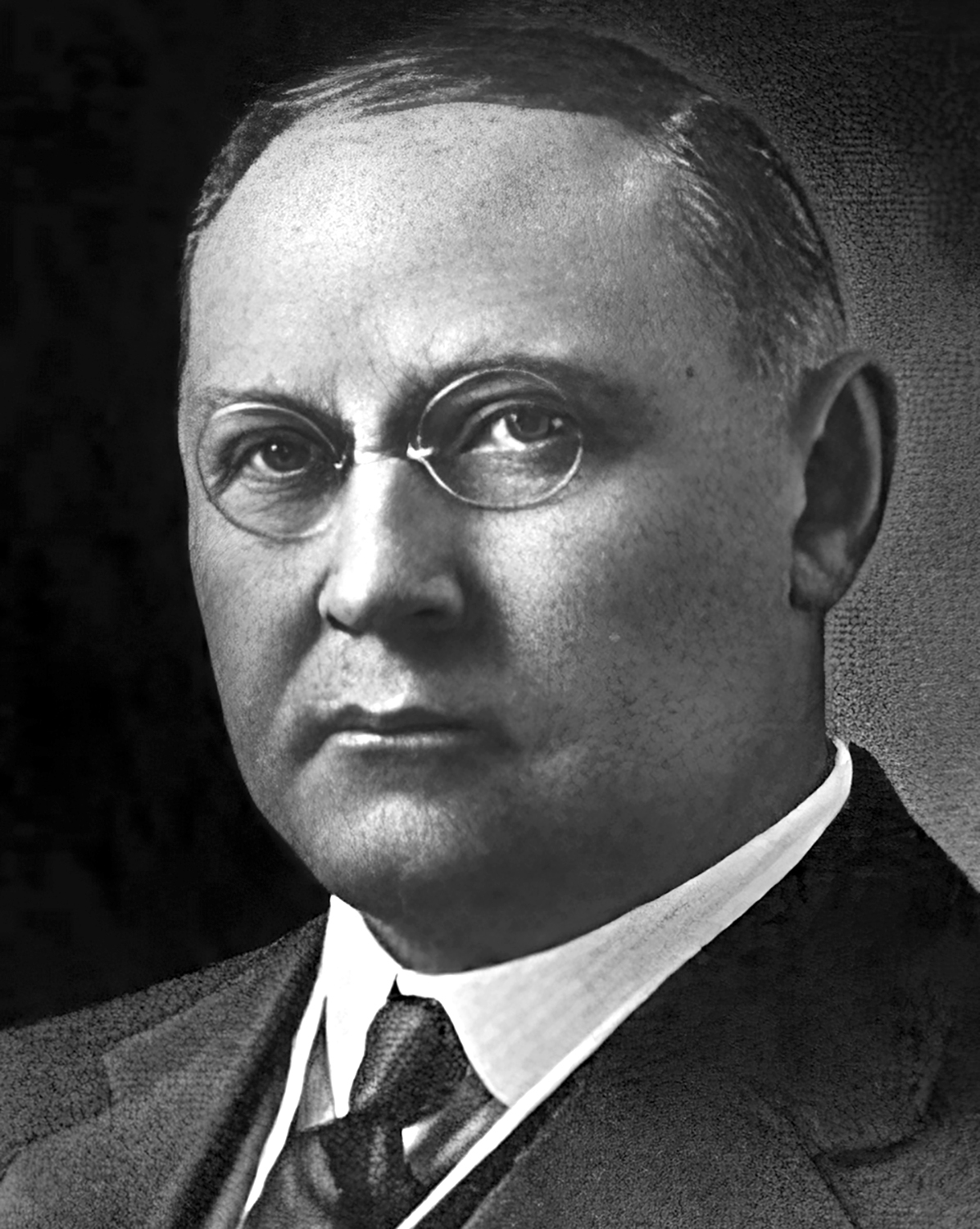
partner in love as well as in work and civic life when he married Harriet Williams from Dallas, Ore.
As the brothers’ Tacoma stores boomed, Albert opened his own Seattle branch, the Rhodes Company, in the Arcade Building at Second and Union in 1907. Its original 20-foot storefront rapidly expanded, cementing itself as a wildly successful retail force.
For their residence, Albert and Harriet enlisted noted Seattle architect Augustus Warren Gould to design a Mediterranean Revival showcase sporting spectacular

Lake Union views from north Capitol Hill. In 1915, the couple moved in permanently. The Rhodes mansion — popularly dubbed “the castle on the hill” — immediately became celebrated as an architectural jewel.
Still standing on busy 10th Avenue East, the gleaming white terra cotta edifice hosted lively social and civic gatherings, while husband and wife were no less committed to their hundreds of employees.
Lauded for paying the highest department-store wages in the United States, Albert also served as wartime president of the Seattle Chamber of

Commerce, promoting the city’s interests nationwide. He took pride in an unwavering commitment to civic duties. “Every man,” he insisted, “owes public service, without pay or reward, to his community.”
During a 1921 trip to New York City, he was stricken with the “Spanish flu,” which culminated in a fatal heart attack. “No death of recent years,” editorialized The Seattle Times, “has stirred the city so deeply as of this widely known merchant prince.”
Flags across town were lowered to half-mast to mark his passing. Dressed in black for years to come, Harriet

assumed the role of company president, and under her guidance the Rhodes department store expanded exponentially, filling an entire block with 10 floors of merchandising.
Significantly, the booming business remained

committed to the general welfare and equitable treatment of employees. With no children of her own, Harriet reportedly knew most of her staff by name. In return, they affectionately called her “Aunt Hattie.”
In 1944, she died after a trip to New York, staying at the Waldorf Astoria Hotel, where Albert had breathed his last. Her closest friends suggested that “knowing she was ill, [Harriet] made the journey out of sentiment.”
WEB EXTRAS
To watch our narrated 360 degree video, head over here.
For more spectacular interiors, see below:


Last but not least, Cupid!

Growing up on Capitol Hill, I always admired the Rhodes Home. My family (including grandparents) shopped at Rhodes department store for many years.
Spectacular! That black marble really makes a statement. Looks lovingly cared for after so many generations.
My Great Uncle, Earl Gerdes, was a Mason and I have a picture of him in front of that mansion. I assume he worked at the site in his craft when the building was created.