
(click to enlarge photos)


Published in The Seattle Times online on June 4, 2026
and in Pacific NW Magazine of the printed Times on June 7, 2026
Chinatown found a fiery defender in Ruby Chow
By Jean Sherrard
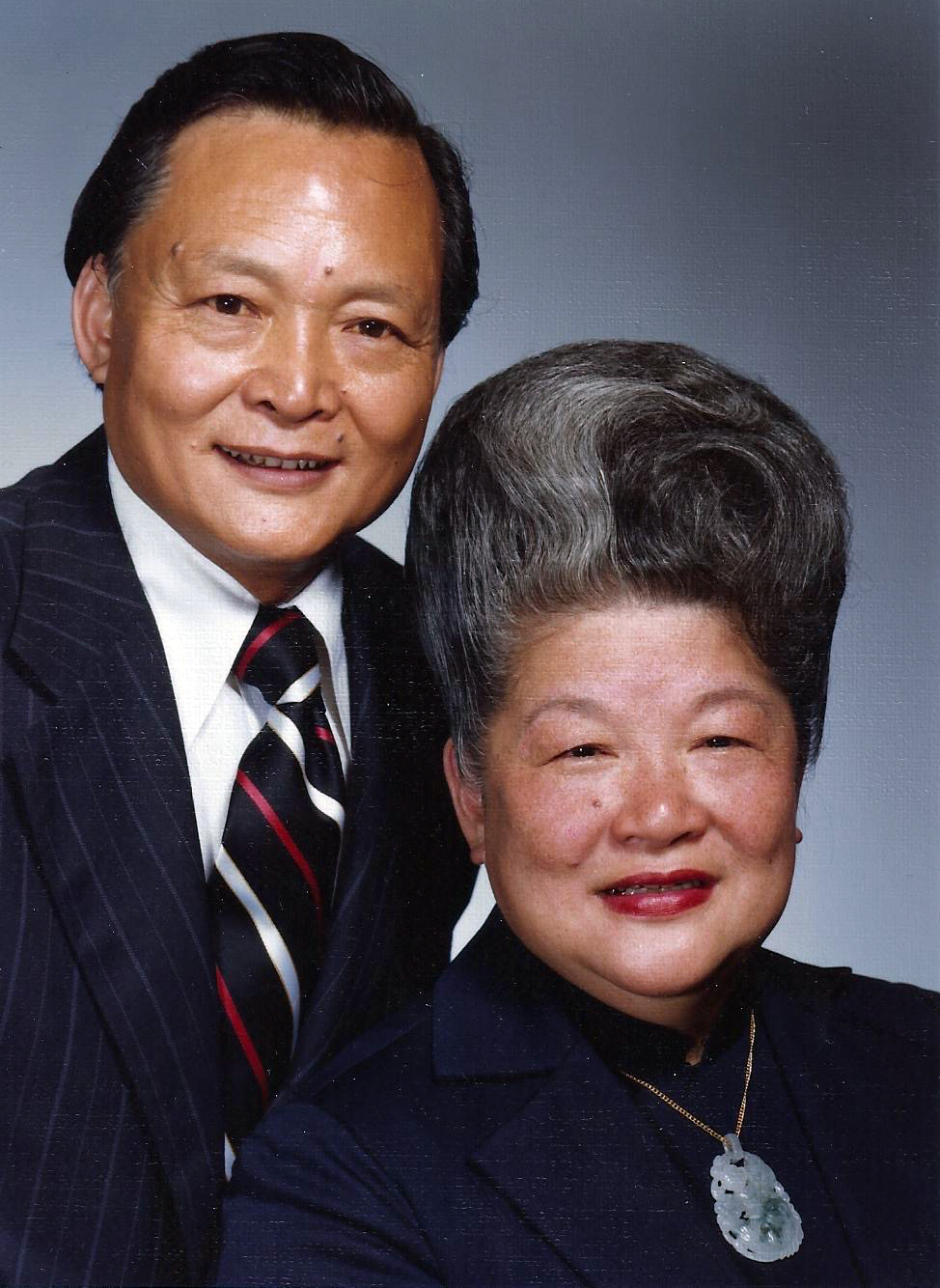
Born 31 years to the day after the June 6, 1889, Great Seattle Fire, Ruby Chow was another formidable force. While the blaze converted more than 30 blocks of downtown to cinders, Chow erected powerful bulwarks to shield her beloved Chinatown.
A steely resolve and fierce intelligence ensured that she commandeered every room. The two sacred hours she took each

morning to assemble her signature towering beehive doubled as thinking time.
“She was ready,” says her son Mark, a retired King County district judge, “for the opera of life.”
Her father, Jim Mar, was a dock foreman at the San Juan Fishing and Packing Company on the Duwamish East Waterway. On that dock, Ruby was born. She was the first daughter among 10 children. Mar later fled to China after an assassination attempt and never returned.

Without a provider, the children knocked on restaurant back doors begging for scraps. At 12, Ruby made a promise to herself: If she ever had the means to help others, she would.
She moved to New York in her teens, meeting Cantonese opera star Ping Chow. With him, she came back to Seattle and in 1948, at Broadway and Jefferson Street, opened Ruby Chow’s, Seattle’s first Chinese restaurant outside Chinatown. From the first night, the place was packed.

The eatery became a political salon. It also was where Bruce Lee, son of one of Ping’s former opera colleagues, arrived from Hong Kong in 1959. Ruby gave the future action star a room and a job.
Her growing influence employed sharp elbows. When health officials ordered Chinese restaurants to discard bamboo chopsticks after a single use, Ruby walked into the director’s office, recalls community historian Betty Lau. We’ll comply gladly, she said, if every non-Asian restaurant also tossed once-used wooden salad bowls and serving implements. The health department caved.
That instinct drove her to politics. When police raided a Chinatown family association on Chinese New Year 1973, hauling grandparents and children to jail for playing Mah Jong, Ruby called Mayor Wes Uhlman: “What the hell do you think you’re doing?” Within hours, the detainees were freed.
She won a King County Council seat — becoming the first Asian

American elected to that body — and served three terms. She died in 2008 at 87, her heart finally failing her.
By 1994, Seattle Times columnist Emmett Watson visited her at her Seward Park home. Five notebooks of history filled the table. Ping looked down from opera portraits on the wall. Watson mentioned the International District, as Seattle then called the neighborhood.
She cut him off:
“Chinatown!”
WEB EXTRAS
For our narrated 360 degree video, click right here.


Ruby Chow: “It’s Chinatown!”
With all due respect my old friend Emmett, “It’s Chinatown!”
Rest brother Emmett
In the tiny town where I grew up there were no Chinese people and no Chinese food. I was taken to Ruby Chow’s on my first visit to Seattle in 1957. I was amazed. I still remember the menu, the restuarant with funky restroom doors and meeting Ruby Chow. Many years later I worked on one of her campaigns. After a long day a bunch of us ended up at her house. Ping asked the usual question, “Have you eaten?” Someone said, “No” and a spectacular banquet appeared at their dining table with Ping doing it all. One of the memorable meals.
And so it goes with Chinese and most Asian cultures to ask “Have you Eaten?” Ruby was a world-class leader here in Seattle. I as well was a part of her campaign back in the day.
I’m old, I remember going to Ruby Chows when I was very young. My aunt and Ruby were school mates.. we always received royal treatment at the restaurant.. Good times.
Chinatown was “the” place to go for Asian food for many of us 20 somethings in the 1970’s. Career relocations took us away from the area for years. We’re all back and been back for awhile and we’re retired now. Yes indeed, Ruby Chows among all the other restaurants in Chinatown were the real-deal restaurants to eat at.