
(click to enlarge photos)
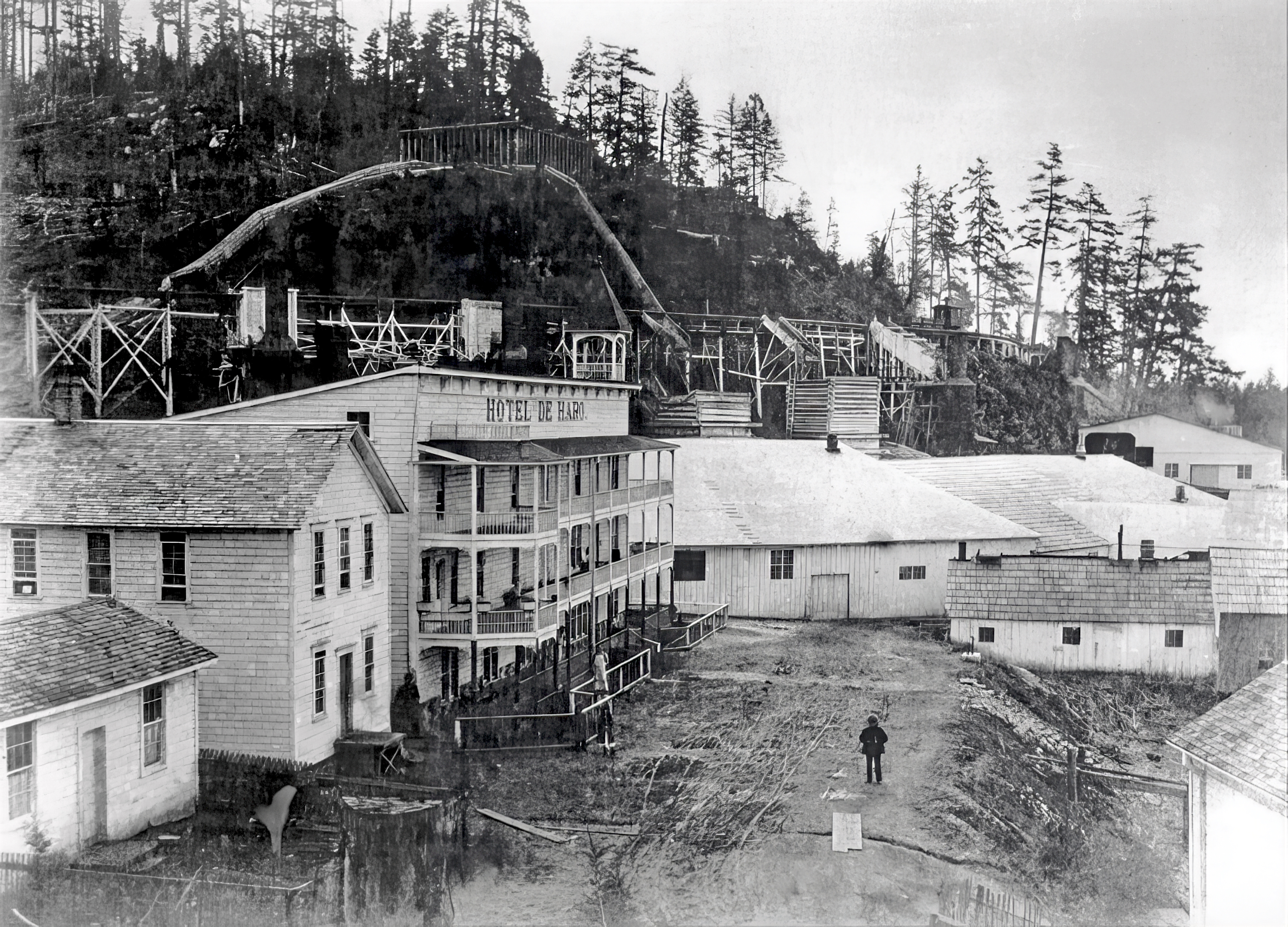

Published in The Seattle Times online on Sept. 17, 2026
and in Pacific NW Magazine of the printed Times on Sept. 20, 2026
A Burning Past:
Long before it was a resort destination, the limestone industry shaped Roche Harbor
By Jean Sherrard
Two hundred million years ago, limey mud and reef life settled on a sea floor off ancient Asia. Tectonic drift carried the rock east; glaciers later scraped it bare. What emerged, on the north end of San Juan Island, was limestone — the raw material of lime, the mortar that has bound masonry for centuries.
From the 1860s into the 1920s, the island was an industrial

powerhouse. Workers converted stone to lime, used in concrete, in smelting and in processing wood pulp. It was even sent to Hawai’i to fertilize cane fields and purify sugar.
In 1859, a survey declared that limestone had been found nowhere else within U.S. territory in Puget Sound. Early island settlers shrewdly invested in lime production, among them the infamous Lyman Cutlar, whose killing of an English pig that same year touched off an international standoff called the Pig War. British Royal Marines, garrisoned there during the joint occupation that followed, burned lime of their own for the whitewash and mortar.

As Boyd C. Pratt, San Juan Island historian and author of “Lime: Quarrying and Limemaking in the San Juan Islands” (Mulno Cove Creations), writes, quarrying was “heavy, loud and dusty work that required a great deal of strength and endurance.” Each 30-foot kiln swallowed up to 15 tons of rock and burned round-the-clock at 1,800 degrees Fahrenheit, driving carbon dioxide out of the stone.
What remained carried its own hazard. Quicklime reacts violently with water, generating enough heat to ignite — making shipment by sea, the region’s primary means of transport, a dangerous business.
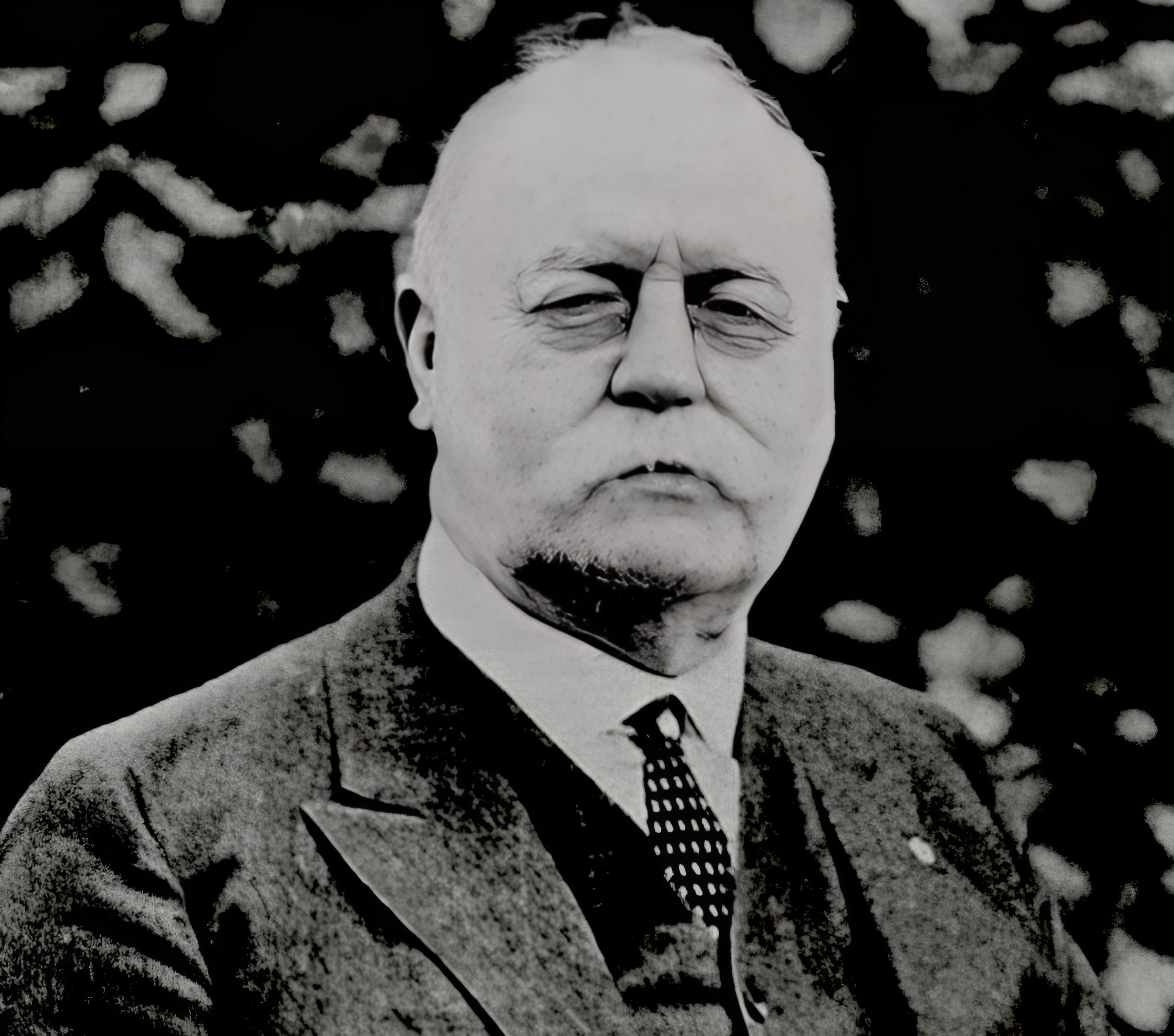
Competition was fierce, but one entrepreneur dominated. Beginning in 1886, John S. McMillin’s Tacoma and Roche Harbor Lime Company shipped product worldwide from the island’s deep-water harbor, outlasting every other lime operation in the county. Most closed by the 1930s.
 His company town at Roche Harbor employed 800 workers at its height — Cornish quarrymen early on, then Japanese, later Croatians and Scandinavians. Like other industrialists of the era, McMillin housed and supplied workers through a company store. He also owned the plant that made the shipping barrels, the enterprise’s one reliably profitable piece, even as the lime company pleaded lean years and skipped its dividends.
“Some would call him a benevolent autocrat,” says Kevin Loftus, director of the San Juan Historical Museum. “Others might call him a robber baron.”
 Either way, geology had the last word. The best rock near the kilns was exhausted, and what remained lay too far off to be worth hauling. In 1956, the last fires were banked.
Today, Roche Harbor is a resort, popular for weddings. Two original kilns stand sentinel, a few feet from McMillin’s former hotel, which still houses guests.
WEB EXTRAS
To watch our narrated 360 degree video at San Juan Island’s Roche Harbor, CLICK HERE!
Great article on Roche Harbor. The family celebrating the 70th anniversary (September 1956) At the time McMillan family was marketing the Lime & Cement co, as a gravel and clay pit. How different Roche Harbor would be if Reuben Tarte didn’t have a vision of opening the first boating resort. Regards Neil Tarte (Grandson of Reuben Tarte)
Thanks for your comment, Neil! What a remarkable achievement for the Tarte Family!